
Explainer
11 Things You Should Never Google If You Hate Trouble
Online searches that can get you into trouble — and how to stay safe.

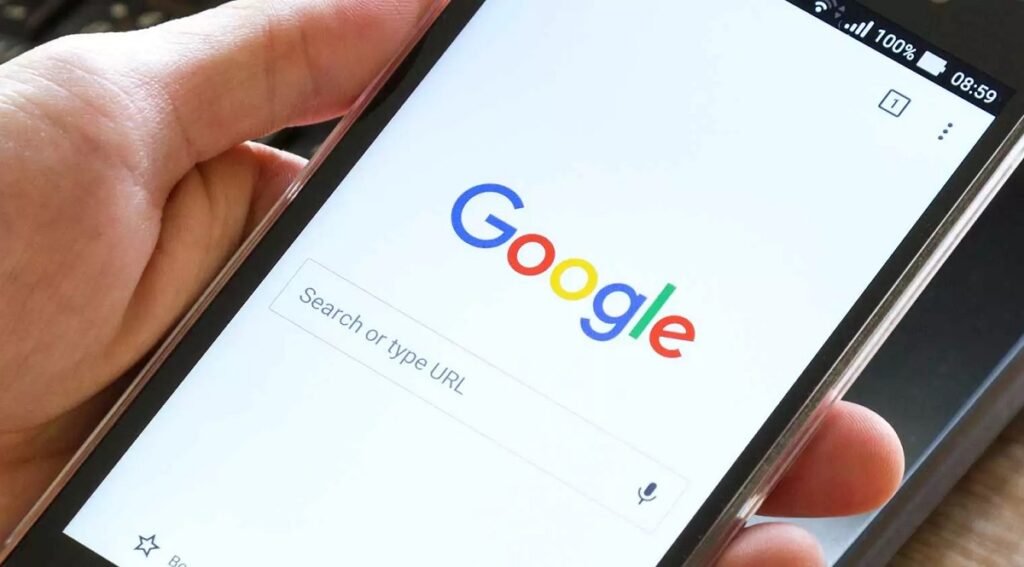
We’ve all typed something into the Google search bar that maybe we shouldn’t have.
From weird questions to guilty little obsessions, most searches are harmless. However, some searches leave a permanent trail that can land you in real trouble.
Below are 11 things you should never Google, and why.
1. Things you don’t want to see in ads later
Click on weird products or adult content, and suddenly ads follow you everywhere. That “curiosity” becomes a persistent profile advertisers use — visible to anyone using your device. Awkward, stressful, and hard to erase.
2. Anything that can embarrass you
Searching personal stuff — sexts, screenshots, or private photos — can blow up if someone sees your screen, autofill, or backups. Embarrassment can cost friendships, relationships, or jobs.
3. Anything that’s going to incriminate you
Planning a crime, buying stolen goods, or asking how to cover something up leaves a searchable trail. Law enforcement and employers can see it. Curiosity won’t protect you from criminal or civil consequences.
4. Whether a product is safe to use on someone
Typing queries like “can this poison someone?” is dangerous. Not only does it look malicious, but shady sites often lead to scams or false info. Always stick to official recalls or reputable sources.
5. Your medical symptoms
Extreme or graphic symptom searches can increase anxiety and spread misinformation. They can also create discoverable records if linked to legal issues.
6. How to delete chat logs or wipe a device
Searching for ways to destroy or hide evidence looks like you’re covering something up. That intent can be used against you in court or investigations. Use legitimate privacy practices instead.
7. Illegal downloads
Cracked apps, pirated software, and illegal downloads often come with viruses. They can steal your passwords or even corrupt your smartphone or computer. Stick with official programs or free legal alternatives.
RELATED: Chinese AI Chatbot DeepSeek Hit with Major Cyberattack
8. Shady financial schemes
“Get rich quick” searches funnel you to scams, Ponzi schemes, and phishing traps. People lose real money and identities this way. Use verified financial services and be skeptical of unrealistic promises.
9. Anything exposing personal data
Searching for Social Security numbers, birth records, or addresses online is risky because that information can be stolen or misused. Always use official portals, secure accounts, and two-factor authentication.
10. Searches that could ruin your career
Queries like “how to fake a degree” or “ways to slack off undetected” leave digital evidence of dishonesty. Employers can see patterns and rescind offers, fire employees, or damage your reputation.
11. Anything illegal involving minors
Searching for sexualized content of minors is a crime. These searches are monitored, recorded, and prosecuted immediately. If you see illegal content, report it to authorities.
The internet doesn’t forget. That little curiosity click could be used against you or others. When in doubt, pause. Reach for trusted sources, professionals, or official services — not Google.


5 ChatGPT Prompts to Start a Profitable Solo Business
High-impact AI prompts for building a lean business in any industry.


Explained: Why There Are 5,280 Feet in a Mile
Discover why a mile has 5,280 feet and its history from Rome to today.


11 Things You Should Never Google If You Hate Trouble
Online searches that can get you into trouble — and how to stay safe.